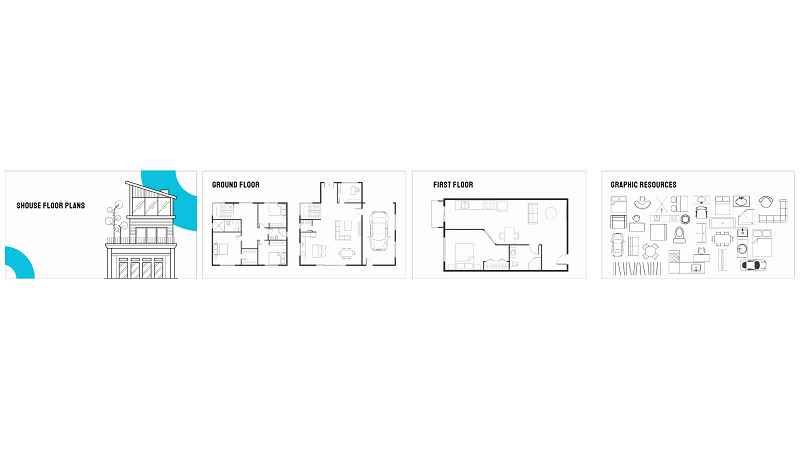
The shouse floor plans have become one of the most demanded architectural solutions among modern homeowners, homesteaders, and professionals, in case they intend to integrate work, storage, and residential areas in a single roof. The word shouse is a combination of shop and house, which denotes a construction that incorporates both a functional commercial or workspace with comfortable residential areas.
The shouse designs are a reasonable, efficient, and affordable substitute to conventional homes or standalone stores in the modern generation, where construction costs are rising, and remote and home-based enterprises are on the rise. This article contains professional, practical,l and detailed knowledge about house floor plans, such as advantages and design features, planning step by step, errors not to be made, real examples of layout, tips on how to construct your personal shouse and so on.
Why Shouse Floor Plans Are So Popular Today
1. Multifunctional Living and Working Space
Traditionally, homeowners built a house and a separate shop or garage. With shouse floor plans, those spaces merge into a single well-designed structure that maximizes land use, minimizes material redundancy, and supports modern hybrid lifestyles — such as:
-
Home offices or studios
-
Automotive workshops
-
Small business production areas
-
Storage for equipment, vehicles, and tools
-
Traditional living spaces
Benefit: Everything is under one roof – no need to travel to different sites, different utility bills, and there is no duplication in construction expenses.
2. Significant Cost Savings
Shouse floor plans often use steel or post-frame construction, which delivers:
-
Lower material waste
-
Faster construction timelines
-
Fewer labor hours
-
Minimal foundation requirements
Compared to building a standalone house plus a detached shop, a shouse can reduce your total build cost by 10% to 30% — sometimes more, depending on scale and finishes.
3. Durable, Low-Maintenance Structure
Metal-based shouse floor plans offer resilience against:
-
Weather extremes (wind, hail, snow)
-
Termites and pests
-
Fire hazards (with proper treatment)
With contemporary insulation and finishing, shouses are comfortable, energy-efficient homes, not just bare steel structures.
4. Easy Future Expansion
Since most shouse floor plans have open and high clearance interiors, it is much easier to add bays, mezzanines, lofts, or other rooms in later stages as compared to the conventional retrofit.
Core Elements of Successful Shouse Floor Plans
Clear Separation of Shop and Living Spaces
A high-performing house floor plan deliberately creates zones:
-
Work Zone: Shop space, garage bay, storage, equipment area
-
Living Zone: Bedrooms, kitchen, bathrooms, living room
To minimize noise and dust in the living spaces, it is common to have an effective layout that has a buffer zone (mudroom, utility room, workshop entry).
Optimal Ceiling Heights
One of the biggest advantages of shouses is vertical space:
-
Shop area heights often range from 12 ft to 18 ft or more
-
Living areas vary between 8 ft and 12 ft
Higher ceilings in work zones allow heavy equipment, vehicle lifts, and storage racks without interfering with residential spaces.
Natural Lighting and Ventilation
Incorporating:
-
Large windows
-
Skylights
-
Roll-up doors
-
Transom windows
…makes both residential and work spaces more livable and productive.
Insulation and Climate Control
Metal buildings require thoughtful insulation to remain comfortable year-round:
-
Spray foam insulation for maximum R-value
-
Thermal break materials
-
Zoned HVAC systems for separating living and shop climate control
Poor insulation is one of the biggest mistakes in house floor plans — and a source of comfort complaints.
Step-By-Step Guide to Planning Shouse Floor Plans
Step 1: Identify Your Primary Uses
Ask yourself:
-
Will the shop area be used for vehicles, woodworking, metalworking, livestock, or manufacturing?
-
How many people will live inside?
-
Do you require guest rooms, office space, or rental areas?
Your answers set the framework for size and layout.
Step 2: Choose Your Footprint
Common house widths and lengths include:
| Building Type | Typical Size Range |
|---|---|
| Small residential house | 30′ × 40′ |
| Medium family house | 40′ × 60′ |
| Large workshop + living space | 50′ × 80’+ |
| Mixed-use commercial shouse | 60′ × 100′ or larger |
Select size based on number of occupants, equipment needs, and future expansion plans.
Step 3: Define Entry and Traffic Flow
Well-designed house floor plans will feature:
-
Separate shop entrance
-
Residential front entrance
-
Interior access through:
-
Mudroom or laundry room
-
Airlock-style buffer
-
Stair or hallway transition
-
These elements improve comfort and keep work operations organized.
Step 4: Plan Utility and Service Areas
Ensure designated spaces for:
-
Electrical panels
-
Water heater and HVAC equipment
-
Storage closets
-
Workbenches and tool zones
-
Office desk space
Clustering utilities reduces installation complexity and maintenance costs.
Step 5: Consult with Professionals Early
Collaborate with:
-
Architects
-
Structural engineers
-
HVAC specialists
-
Insulation experts
Their input ensures compliance with codes and delivers a design that works for your climate and usage patterns.
In-Depth Design Options for Shouse Floor Plans
Open Concept Shouse Floor Plans
Ideal for those who value free flow:
-
Minimal interior partitioning
-
Combined kitchen, dining, and living
-
Large shop bays opening to the workspace
Best for: Creative professionals, open workshops, art studios.
Split-Level or Zonal Shouse Design
Work and living areas are distinctly separated:
-
Physical buffer
-
Distinct exterior doors
-
Noise control features
Best for: Loud workshop environments like welding and automotive work.
Two-Story Shouse Floor Plans
Incorporates upstairs living that provides:
-
Private bedrooms
-
Office or guest suites
-
Loft storage
Best for: Smaller lots or owners needing additional privacy.
Courtyard Shouse Floor Plans
Configure a U-shaped layout that:
-
Creates an outdoor courtyard
-
Enhances privacy
-
Expands usable outdoor space
Best for: Entertainers and families who enjoy outdoor living.
Design Considerations for Lighting, Insulation, and Comfort
Natural and Artificial Lighting Strategy
To maximize livability:
-
Skylights over living spaces
-
LED strip lighting in shops
-
Task lighting at workstations
-
Ambient lighting in living areas
Lighting choices greatly affect comfort and productivity.
Insulation Best Practices
Metal buildings conduct heat quickly. Effective insulation strategies include:
-
Closed-cell spray foam
-
Reflective radiant barriers
-
Insulated metal panels
-
Thermal break components
Incorrect insulation may cause condensation, higher energy bills, or discomfort.
Heating and Cooling Zoning
Separate systems for:
-
Living zones
-
Work zones
…ensure both spaces remain comfortable regardless of use patterns.
Common Mistakes in Shouse Floor Plans and How to Avoid Them
Mistake #1: Ignoring Soundproofing
Metal walls echo sound. Fix it with:
-
Acoustic insulation
-
Double drywall
-
Sound-absorbing panels
Mistake #2: Overlooking Climate Zoning
One HVAC system for both the shop and the home can waste energy. Always plan separate or zoned systems.
Mistake #3: Poor Workflow Layout
Design routes so that:
-
Tools aren’t in hallways
-
Workspaces don’t block entrances
-
Storage is accessible
Mistake #4: Underestimating Electrical Needs
High-amp equipment needs dedicated circuits and power panels.
Mistake #5: Skimping on Natural Light
Large wall space without windows leads to dark interiors — costly over time.
Real Shouse Floor Plan Examples and What Works
Example 1: 40’ × 60’ Family Shouse
-
25’ × 30’ shop area with roller doors
-
3-bedroom living quarter
-
Open kitchen and living room
-
Full bathroom + utility room
Why it works: Balanced for residential comfort and shop utility.
Example 2: 50’ × 80’ Commercial Shouse
-
Two double-wide garage bays
-
Separate office suite
-
One-bedroom loft
-
Conference or meeting room
Why it works: Supports business operations + living space.
Example 3: Small 30’ × 40’ Starter Shouse
-
One bay workshop
-
Compact living with a kitchen and a bathroom
-
Loft storage
Why it works: Minimal lot footprint, ideal for remote locations.
Shouse Floor Plans and Zoning/Permit Considerations
Always check local building codes regarding:
-
Residential occupancy permits
-
Commercial use zoning
-
Fire separation requirements
-
Structural load criteria
Your local building authority will confirm requirements and code compliance.
Frequently Asked Questions (FAQs) About Shouse Floor Plans
Q1: Are shouses cheaper than traditional homes?
A: Yes — because multiple functions share structural elements.
Q2: Do shouses increase property value?
A: Well-designed houses often appraise higher due to utility and uniqueness.
Q3: Can shouses be energy-efficient?
A: With proper insulation and HVAC zoning, absolutely.
Q4: Are shouses suitable for cold climates?
A: Yes, with sufficient insulation and proper planning.
Q5: Is professional help required for house designs?
A: Professional design ensures safety, code compliance, and functional layout.
Conclusion: Your Next Steps Toward Designing a Shouse Floor Plan
Bonding form, functionality, and flexibility, no other type of building is as flexible as the shouse floor plans. These are perfect when you are in need of meaningful working areas, family members who appreciate multifunctional settings, and business people who want it all within one structure.
To achieve the best result:
-
Define your long-term needs.
-
Plan utility, insulation, and zoning.
-
Work with experienced architects and engineers.
-
Consider future expansion and flexibility.
-
Evaluate local building codes and permits.
It can keep your house warm, effective, strong, and much more convenient, thoughtful, and designed properly to correspond with the existing lifestyle and upcoming aspirations.